Kötésmód: keménytáblás
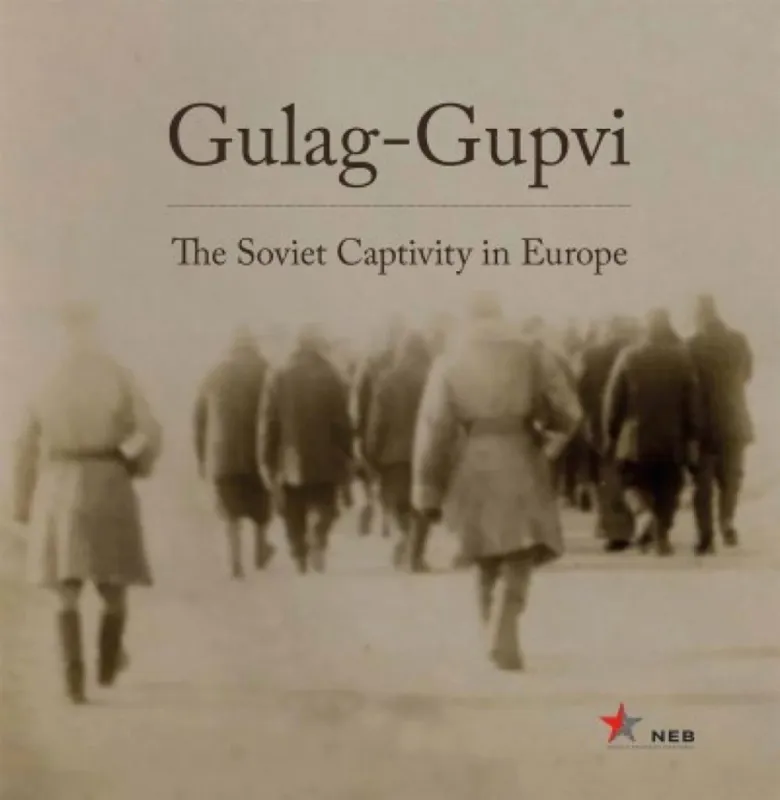
The lectures given by scholars from ten countries gave a broad picture of the deportations of the inhabitants, soldiers or civilians, sometimeseven whole ethnic groups of Eastern and Central European countries getting under Soviet occupation during the Second World War, who became convicts of the Gulag or Gupvi camps. They also revealed the reasons for and the circumstances of their captivity, the conditions they lived in and finally, the- quite dubious – way they were set free, since having come home they were often treated as second class citizens. The main underlying reason for these deportations were, on one hand, the immense lack of manpower, which was crucial for an economy based on slave labour, and on the other hand, the Soviet Unions efforts in order to establish its rule over the territories it had conquered, which often lead to political and ethnic „cleansings” or even to genocide.